SepetlipınarMahallesi, Yellice Sokak No: 10/1 A1-A2-A3 Blok, Başiskele/Kocaeli
Products
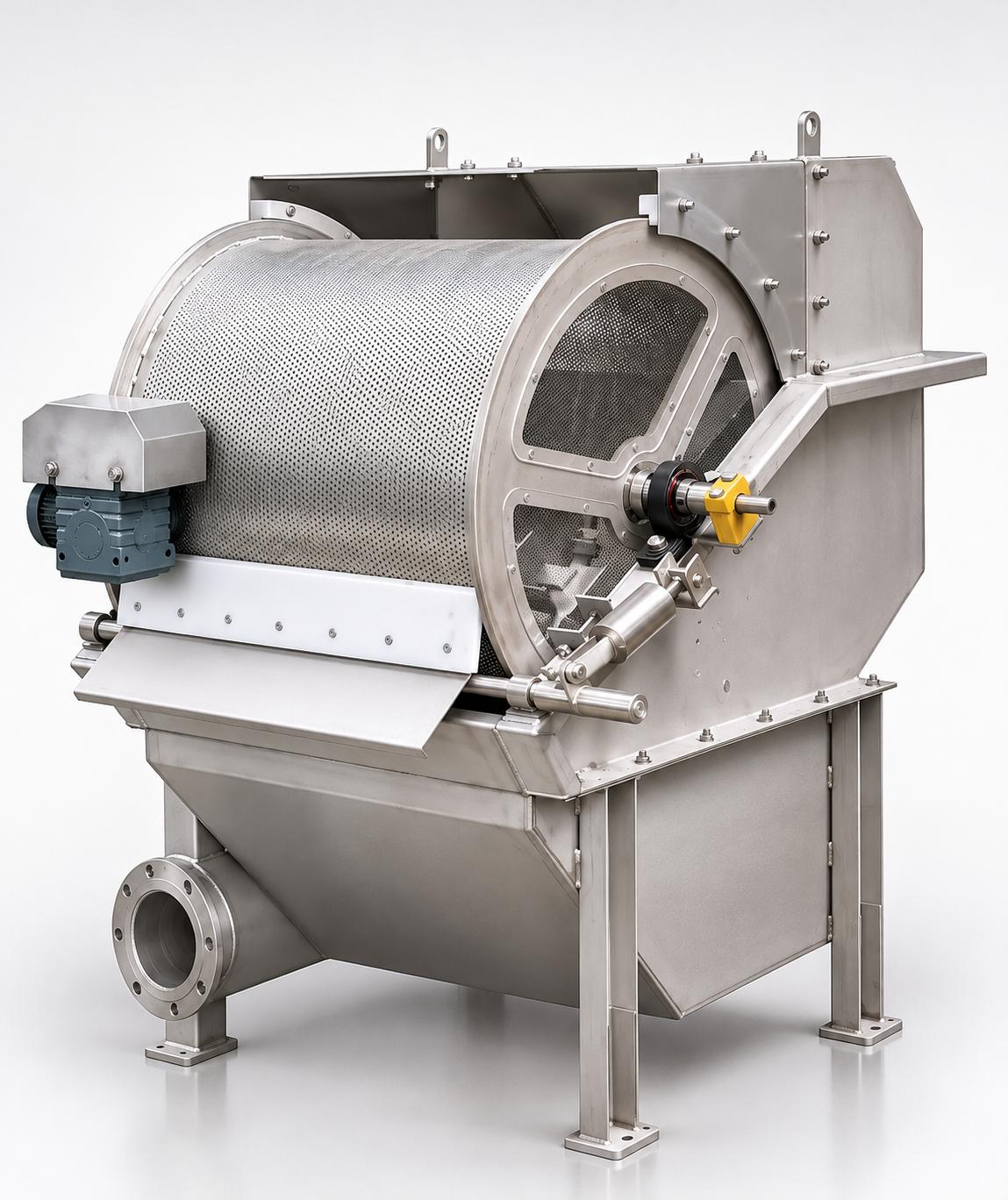
Drum Screen
Drum Screen A Rotary Drum Screen is a mechanical screening equipment used in wastewater treatment plants and various industrial processes to separate solid materials from liquids. Featuring a rotating cylindrical screen structure, it removes suspended solids, fibers, and particles from the liquid according to specific screen openings. Operating on a continuous basis, rotary drum screens provide highly efficient solid-liquid separation. By being installed at the preliminary treatment stage, they reduce the solids load on downstream treatment units. This helps protect plant equipment, improve process efficiency, and optimize operating costs. Working Principle and Types of Rotary Drum Screens Rotary drum screen systems are manufactured in two different configurations, namely internally fed and externally fed designs, depending on the flow direction and the screen surface on which solids are retained. Internally Fed Rotary Drum Screen Wastewater or process liquid is fed into the inner section of the rotating drum. As the liquid passes outward through the screen surface, solid particles are retained inside the drum. Through the rotational movement of the drum, accumulated solids are conveyed towards the discharge section and removed from the system by means of a screw conveyor or scraper mechanism. Externally Fed Rotary Drum Screen Wastewater or process liquid is directed onto the outer surface of the drum. As the liquid passes through the screen into the inner section of the drum, solid particles are retained on the outer surface. Accumulated solids are continuously removed by means of a scraper and washing system, ensuring an efficient and controlled screening process. Applications of Rotary Drum Screens Rotary drum screen systems offer a wide range of applications to meet the solid-liquid separation requirements of various industries: Municipal and industrial wastewater treatment plants Food and beverage production facilities Feed production and livestock industries Mining and mineral processing plants Paper and textile industries Recycling and waste management facilities Advantages of Rotary Drum Screen Systems Continuous and efficient solid-liquid separation Compact design and space-saving installation Automatic operation and easy process management Reduction of solids load on downstream treatment units Low maintenance requirements and operational convenience Customized design options to meet different flow rates and process requirements Güven Arıtma aims to ensure the proper selection of rotary drum screen systems with suitable capacities and technical specifications, taking into account the specific process requirements of different industries. Proper equipment selection plays a key role in ensuring efficient preliminary treatment and reliable, sustainable operation of wastewater treatment plants.

Membrane Bio-Reactor Systems (MBR)
Membrane Bio-Reactor System (MBR) Membrane Bio-Reactor Systems are advanced form of activated sludge systems. These systems are a combination of biological reactors and membrane technology. After biological treatment instead of using a secondary clarifier Ultrafiltration or Microfiltration membranes are used for separation phase. IMPORTANCE OF MEMBRANE TREATMENT SYSTEMS Membrane technologies are gaining popularity due to their low area requirement and high efficiency in treatment. PURPOSE OF MEMBRANE TREATMENT SYSTEMS High-rate removal of biodegradable materials, microbes, turbidity, particles, surface-active materials. DETAILS OF MBR TREATMENT SYSTEMS Membrane Bio-reactor type (MBR) treatments use latest composition of ultrafiltration and aerobic biological treatment reactor technologies. Submersible membranes can be placed inside a biological reactor or external membranes utilizing positive pressure can be applied in this technique. Wastewater from biological treatment passes through the membrane resulting filtration of particles smaller than 0,2 microns. Solids larger than this size such as microorganisms and particles are removed from wastewater. Continuous flow on filter surface prevents clogging and EPS formation. If an instance occurs where particles stick to membrane filter surface, periodic backwash with treated wastewater and chemical rinsing will clear membrane surface both physically and chemically. The water used in backwashing along with chemicals used for rinsing flows to biological tank to be treated. MBR technique provides high treatment efficiency while eliminating need of secondary clarifier. Also, due to high surface area to volume ratio provides 3 times lower area requirement for aeration tank when compared to conventional biological treatment. This results in 70% reduction on layout area and construction fields. VARIOUS MBR TREATMENT FIELDS Advanced treatment of domestic and industrial wastewaters Instances where receiving environments are river basins Treatment of high pollution wastewater Treatment trains resulting in irrigation and water reclamation Projects where area is limited for conventional techniques Projects where capacity increase results in treatment plant being insufficient Water reclamation for processes with high water consumption Most important criteria on membrane selection is membrane flux. One other factor is cost. Depending on the wastewater type membrane selection can change. If treated water is going to be reclaimed, membranes with better effluent quality can be chosen. On large scale plants cheaper membranes can be utilized to reduce cost. Also, membranes should not be inclined to clog and they should be easily cleanable. Nitrogen removal can be done in MBR systems. Before aeration, anoxic tank can be installed. Even without anoxic tank due to high biomass concentrations some parts of aerobic tank become anoxic. This results in better nitrogen removal than conventional activated sludge systems. MBR Systems Successfully Applied: Wastewater recycled for irrigation purposes. (Bacteria and solid particle treatment) Wastewater recycled for industrial purposes. (Nanofiltration, reverse osmosis, pre-treatment for UV and ozone) Capacity increase on conventional treatment plants. (Increase in sludge concentration) Area conservation in new treatment plants. (Increase in sludge concentration and no requirement for secondary clarifier) ADVANTAGES AND DISADVANTAGES OF MEMBRANE BIO-REACTOR SYSTEMS Among many advantages of MBR systems, high efficiency on organic matter removal, treatment of difficult waters, low sludge production, high disinfection capability of effluent, high load rates, less polluted sludge production, treatment stability of nutrients and low area requirement can be noted as most significant. Aside from that, there are also disadvantages of MBR systems. Most inhibiting factor in application MBR treatment system is related to first investment and operational costs (electricity consumption, duration of membrane operation). This fact causes a disadvantage in treatment of large volumes of wastewaters. Secondly MBR systems would be more applicable when discharge standards are strict or when water is going to be reclaimed. This technology will be more affordable as membrane process cost decreases.
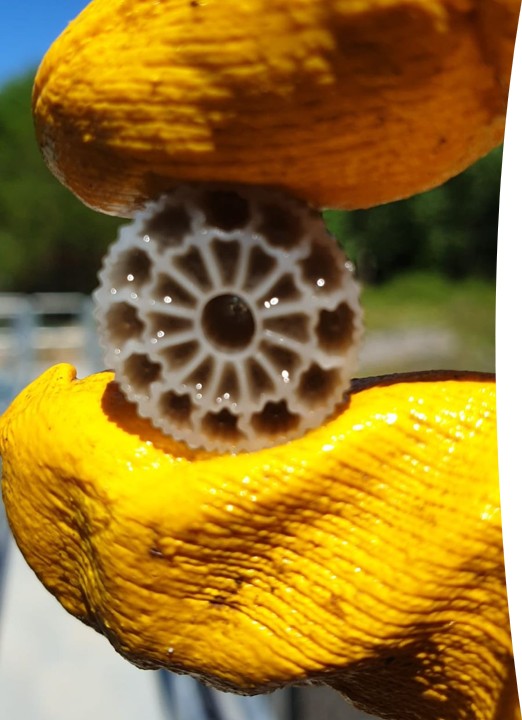
Moving Bed Biofilm Reactor (MBBR)
MBBR (Moving Bed Biofilm Reactor) MBBR (Moving Bed Biofilm Reactor) is an advanced biological wastewater treatment technology based on biofilm processes, widely used for the treatment of domestic and industrial wastewater. Specially designed plastic carrier media within the system provide a large surface area for microorganisms to attach and grow. Kept in continuous motion through aeration and mixing, these carriers support the development of a biofilm layer that enables the biological removal of organic pollutants and, under suitable process conditions, nitrogen compounds from wastewater. Advantages of MBBR Technology High biological treatment capacity. Compact plant design and reduced space requirements. High biomass concentration. Adaptability to fluctuating wastewater flow rates and organic loads. Suitable for capacity expansion of existing wastewater treatment plants. Design flexibility to minimize operational and maintenance requirements. Güven Arıtma provides highly efficient, reliable, and sustainable biological wastewater treatment solutions by engineering MBBR systems tailored to different wastewater characteristics and treatment requirements.

Dissolved Air Flotation (DAF)
Dissolved Air Flotation (DAF) with Microbubble Pump Technology Dissolved Air Flotation (DAF) is an effective physicochemical wastewater treatment process used to separate suspended solids (TSS), oils, grease, emulsified contaminants, and fine particles from industrial and domestic wastewater. Microbubble Pump Technology is based on the principle of combining water and air within a specially designed pump system to generate microscopic air bubbles. These microbubbles come into contact with contaminant particles in the wastewater, carrying them to the water surface. This enhances flotation efficiency while providing a compact and effective treatment solution. How Does the Microbubble DAF System Work? 1. Air and Water Mixing Water withdrawn from the treatment process is fed into the microbubble pump system. Inside the pump, air and water are mixed under controlled conditions to produce a pressurized mixture. The pump's specialized hydrodynamic operating principle ensures effective air distribution throughout the water. 2. Microbubble Generation The air-water mixture generated inside the pump is converted into microscopic bubbles, depending on the operating conditions of the system. Thanks to their high surface area, these bubbles establish effective contact with contaminant particles in the water, enhancing the flotation process. 3. Flotation and Contaminant Separation Micro air bubbles attach to suspended solids, oil, and grease particles, reducing their apparent density and enabling them to rise to the water surface. Where necessary, coagulant and flocculant chemicals are used to promote particle aggregation and improve flotation efficiency. 4. Surface Sludge Removal The accumulated contaminants and sludge layer on the water surface are continuously removed by mechanical scraper systems. The treated water is collected from the bottom section of the flotation tank and transferred to the next stage of the treatment process. Advantages of Microbubble Pump Technology Specialized pump technology ensuring efficient air-water mixing. Enhanced flotation performance through the generation of microscopic air bubbles. System design that can reduce the need for separate pressurized air dissolution equipment. Effective operating principle for the removal of oil, grease, and suspended solids. Compact system solutions suitable for industrial wastewater treatment plants. Flexible design adaptable to different wastewater characteristics. Güven Arıtma designs and implements efficient and sustainable DAF systems by integrating Microbubble Pump Technology into its process designs, tailoring each solution to the characteristics of industrial wastewater and specific treatment requirements.

Ultrafiltration (UF)
Ultrafiltation (UF) Ultrafiltration is a membrane filtration process where liquids are pushed with hydrostatic pressure through a semipermeable membrane. Fundamentally UF is a pressure driven separation process dependent on particle size. On lower pressures particles categorized by size are separated. Macromolecular separation occurs on particles sized between 10-1000Ao1. Total Dissolved Solids and smaller molecules pass through the membrane. Some of the removed materials are; colloids, proteins, microbiological contaminants and large organic molecules. Aside from water and wastewater treatments UF membranes are used in pharmaceutical, automotive, chemical, food and drink industries. Also, UF is used in vaccines, fermentation products, enzymes and separation of proteins.
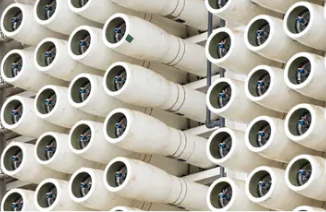
Nanofiltration (NF)
Nanofiltration (NF) Nanofiltration is used to remove bacteria, viruses, organic material and hardness from water. Separation process is made on an organic semipermeable membrane. In the process driving force is the pressure difference between feed and permeate side of membrane. System removes approximately 1 nanometer (10 Ao) sized particles. Typical applications are; removal of color and total organic carbon from surface waters, removal of harness and Radium from well water, in food and wastewater applications separation of organic material from inorganic materials.

Reverse Osmosis (RO)
Reverse Osmosis (RO) Instances where conventional treatment of water is not sufficient (seawater, high conductivity well waters etc.) reverse osmosis method which removes all unwanted minerals is utilized. Yielding pure water from membrane filtration. Working principle of reverse osmosis are the membranes mounted in the device. Water is forced with high pressure through the membrane pores. During this process water and some inorganic molecules can pass through the membrane while most unwanted materials are unable to pass. The passing water is called product water while water couldn’t pass which includes most unwanted materials and molecules is called concentrate water.
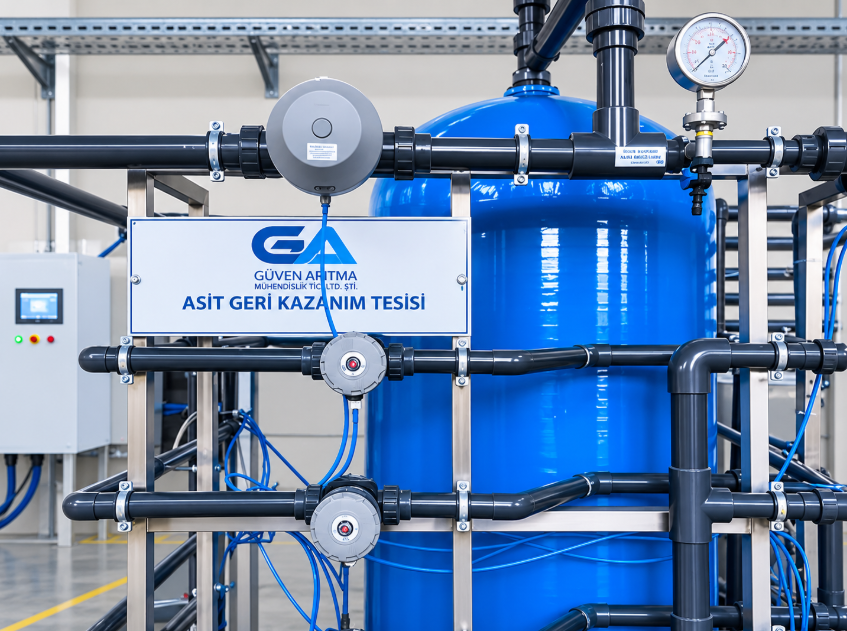
Acid Reclamation
We are designing treatment plants for firms which make aluminum production or firms which desire to decrease acid wasting and to reclaim acid as added value.
Package Biological Treatment
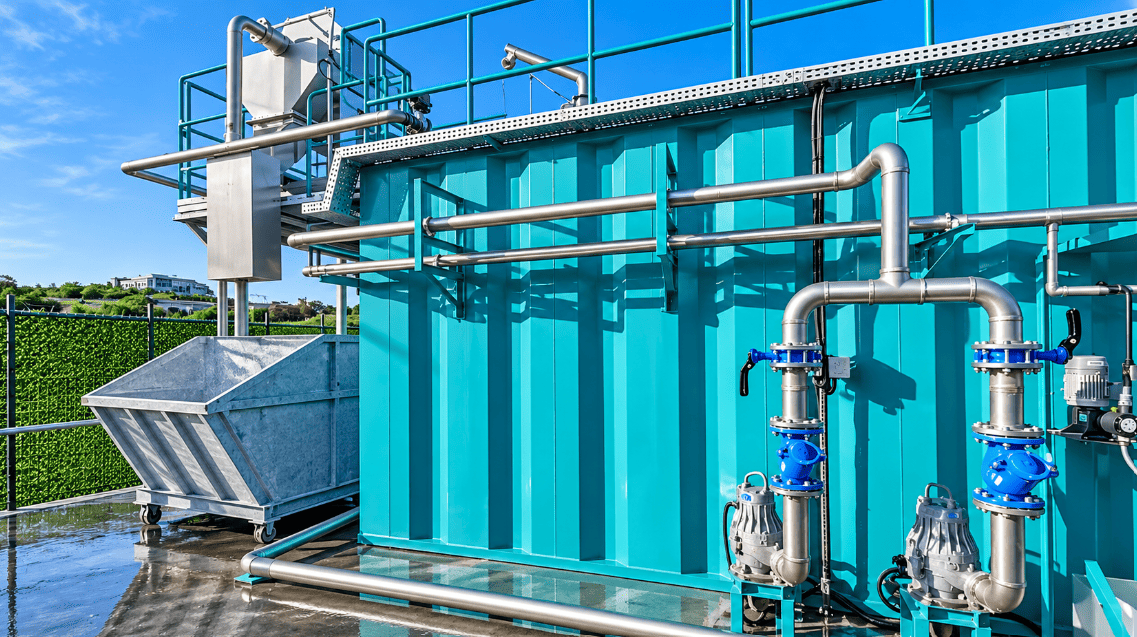
Package Biological Wastewater Treatment Plants Package Biological Wastewater Treatment Plants are compact and modular systems designed to treat domestic and industrial wastewater in compliance with environmental regulations. Operating on biological treatment principles, these systems remove organic pollutants through the activity of microorganisms. Depending on the design requirements and process conditions, nitrogen and phosphorus removal can also be achieved. Designed and engineered by Güven Arıtma to meet project-specific requirements and capacity needs, our package treatment systems stand out with their high treatment efficiency, low operating costs, easy installation, and minimal space requirements. Adaptable to various site conditions, these plants provide reliable and sustainable wastewater management solutions. Main Applications Industrial Facilities: Factories, manufacturing plants, and industrial operations. Tourism Facilities: Hotels, holiday villages, resorts, and campsites. Residential Areas: Housing complexes, residential communities, apartment buildings, and small settlements. Public Institutions: Hospitals, schools, military facilities, and public buildings. Commercial Areas: Shopping malls, restaurants, service areas, and business centers. Infrastructure Projects: Construction sites, mining facilities, and temporary settlements. Rural Areas: Villages and independent settlements without access to a municipal sewer network. Package treatment systems are engineered according to different wastewater flow rates and characteristics, providing customized solutions tailored to specific project requirements.

Package River Water Treatment
Package River Water Treatment Systems Mostly preferred in small settlements, to obtain clean drinking and usage water treated from natural sources. Turbidity, color, odor, taste and organic material parameters are treated for drinking and usage water norms. Instances where area and supply time of water is limited, River Water Treatment is applied. Plant is designed with aim of quality water consists of; oxidation, physical treatment, pre-chlorination, chemical treatment, settling, filtration, disinfection and sludge treatment units. Depending on geographical conditions of location gravity flow or sub-lifting stations can be designed to provide hydraulic flow. Modular, compact and mobile systems are easily operated. Additional units can be used to increase capacity. These systems are preferred when there is no permanent water requirement such as worksites or camping sites.

Package Chemical Treatment
Package Chemical Wastewater Treatment Systems Chemical wastewater treatment applications are suitable for factories and manufacturing facilities where industrial wastewater is generated. Designed in various sizes according to wastewater characteristics and treatment requirements, chemical package treatment plants are compact systems that can be easily transported from one location to another. Package Chemical Wastewater Treatment Systems are integrated treatment units incorporating rapid mixing, slow mixing, sludge thickening, and sedimentation units, enabling effective chemical treatment of industrial wastewater. Güven Arıtma package treatment plants are designed to operate efficiently, with low noise levels, no odor emissions, and full consideration of applicable regulatory discharge limits. Package chemical wastewater treatment systems can be manufactured in different volumes and capacities according to wastewater flow rates and pollution loads. The systems are manufactured entirely from St 37 carbon steel and protected with a double-layer epoxy primer and two coats of epoxy paint to ensure durability and corrosion resistance. By using high-quality materials and components designed to minimize the risk of failure and reduce maintenance requirements, Güven Arıtma aims to minimize potential future operating and maintenance costs.
Filter Press
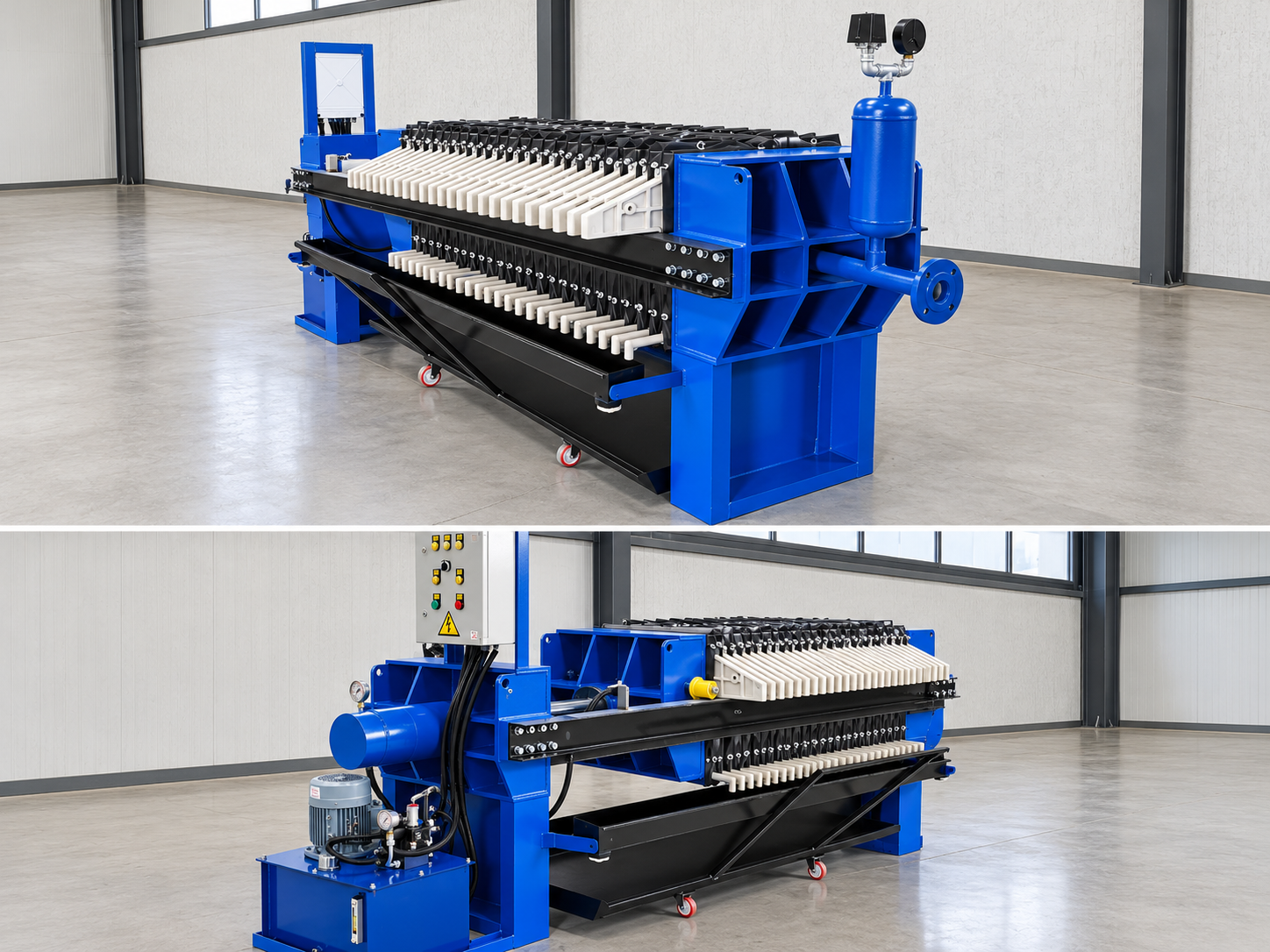
Filter Press A Filter Press is a mechanical dewatering machine used in industrial facilities and wastewater treatment plants to separate solid-liquid mixtures through the application of pressure. Working Principle Feeding: Sludge or slurry containing solid and liquid components is pumped into the filter press chambers under high pressure. Filtration: The liquid phase passes through the filter cloths mounted on the plates and flows out of the system. Cake Formation: Solid particles accumulate on the filter cloths and are compressed to form a solid material known as filter cake. Discharge: The press opens, the plates separate, and the accumulated filter cakes are discharged from the system. Applications Wastewater Treatment Plants: Dewatering of domestic and industrial sludge.
Automation (PLC, SCADA)
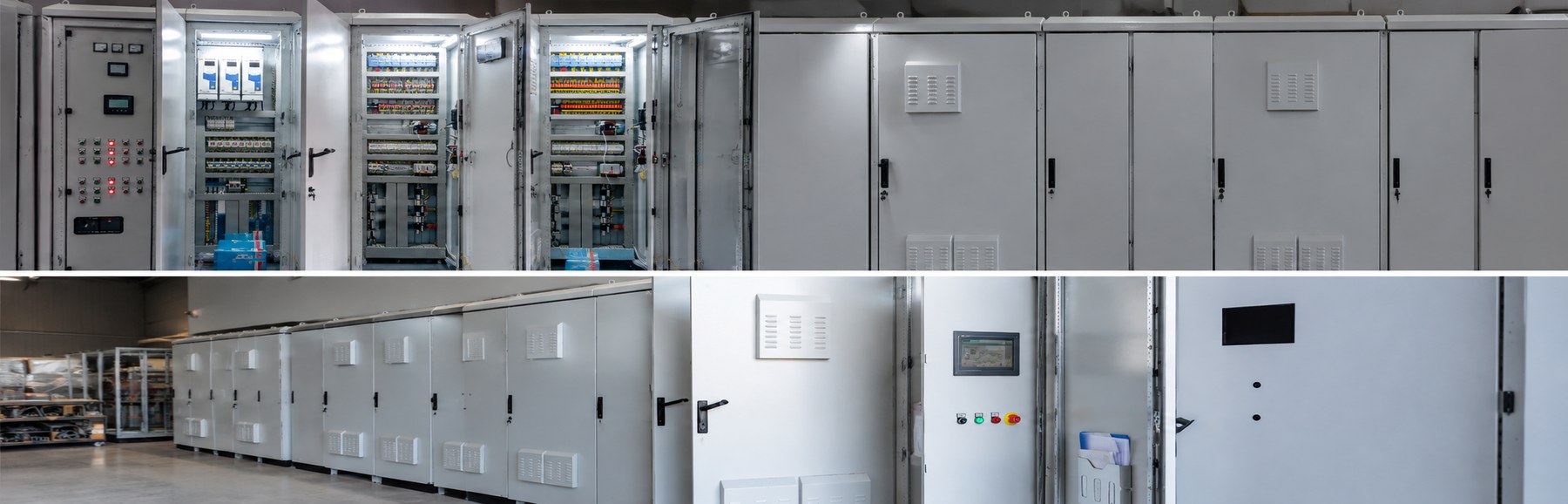
SCADA (Supervisory Control and Data Acquisition) Systems SCADA is an advanced and integrated data-based control and monitoring system that enables the automated operation, control, and monitoring of all units and equipment within a facility or industrial plant. It covers a wide range of operations, including equipment control, production processes, environmental monitoring systems, and auxiliary utilities. The system continuously records real-time operating conditions, equipment status, and alarms, allowing operators to monitor current operations and review historical events based on their exact dates and times. This provides comprehensive process supervision, operational traceability, and efficient plant management. Güven Arıtma provides turnkey solutions for wastewater treatment plants, covering all aspects of electrical systems, industrial automation, and SCADA integration, from engineering and installation to commissioning.